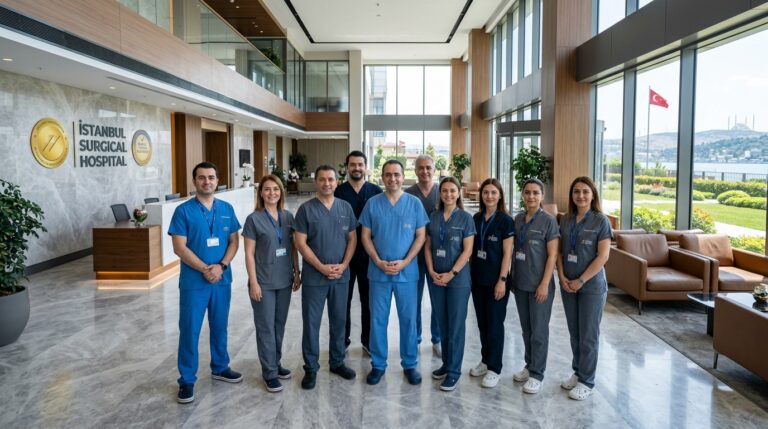
Turkey is one of the world’s leading medical tourism destinations. Every year, large numbers of international patients travel there for hair transplants, dental treatment, cosmetic surgery, eye surgery, weight-loss surgery and more. The attraction is a combination of lower prices, experienced clinics, modern hospitals and easy travel. The challenge is that quality varies widely, and the planning that keeps you safe is mostly up to you. This guide walks through the process.
The most popular treatments
- Hair transplants: see our Istanbul hair transplant guide and best clinics.
- Dental treatment: implants, crowns and veneers; see dental tourism in Turkey.
- Cosmetic surgery: rhinoplasty, breast and body procedures; see cosmetic surgery in Turkey.
- Eye surgery: laser vision correction and lens procedures; see eye laser surgery.
- Bariatric surgery: gastric sleeve and bypass; see weight-loss surgery.
Step 1: get advice at home first
Talk to your own doctor or dentist about the treatment, your health and any risks specific to you. Bring copies of relevant records, scans and medication lists. This is especially important for surgery and if you have chronic conditions.
Step 2: clinic, agency or hospital?
| Provider | What it is | What to check |
|---|---|---|
| Clinic | Treats patients in its own premises | Named doctors, facilities, licence |
| Hospital | Full surgical and emergency facilities | Which department and surgeon will treat you |
| Health-tourism agency | Arranges treatment at partner clinics or hospitals | Exactly which facility and doctor; who is responsible if something goes wrong |
In Turkey, organisations serving international patients need a health-tourism authorisation from the Ministry of Health. Ask for it.
Step 3: compare properly
- Get written plans from at least three providers.
- Compare the treating doctor’s qualifications and experience, not only prices.
- Check what is included: hospital nights, medication, follow-up, revisions.
- Read independent reviews written months after treatment.
Step 4: plan the trip
- Allow enough days for recovery before flying, especially after surgery (often 7–14 days).
- Choose accommodation close to the clinic; see where to stay in Istanbul.
- Consider bringing a companion for surgery.
- Check entry requirements for your nationality on official sources.
Step 5: insurance and payment
Standard travel insurance often excludes planned medical treatment and its complications. Look for specialist medical travel insurance or complications cover. Pay deposits by traceable methods and keep all receipts and contracts.
Step 6: aftercare
Before leaving, get a written summary of what was done, medications, implant details and follow-up instructions. Know who to contact if problems arise and keep your doctor at home informed.
Red flags
- No named doctor, or a doctor you only meet on the day
- Very low prices for complex surgery
- Multiple major operations combined in one session without clear justification
- Pressure to decide quickly
- Recovery times that seem too short
Frequently asked questions
Why is treatment cheaper in Turkey?
Lower staff and operating costs, strong competition and the exchange rate.
Is it safe?
Many clinics and hospitals provide excellent care. Safety depends on choosing qualified providers and planning recovery properly.
Can I combine treatment with a holiday?
Yes, but plan sightseeing and swimming around your recovery, not the other way round.
This article is general information, not medical advice. See our medical disclaimer.