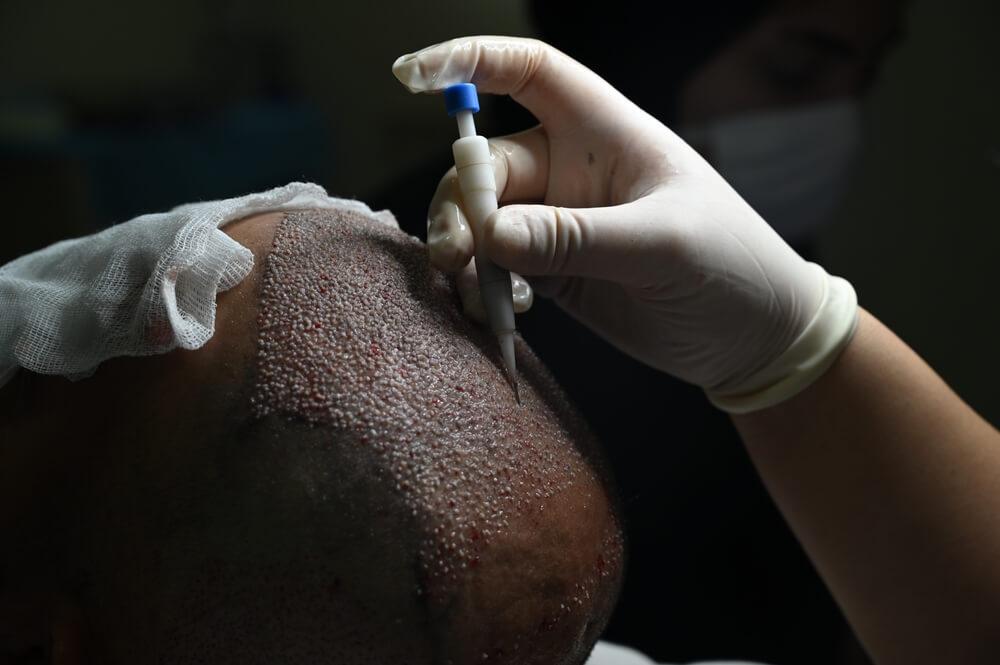
Hair loss in women is common but often different from male pattern baldness. Many women notice diffuse thinning along the parting or a widening crown rather than a receding hairline, and the causes can include hormones, thyroid disease, iron deficiency, stress and certain hairstyles. A hair transplant can help some women a great deal, but fewer women than men are good candidates, so careful assessment comes first.
Common types of female hair loss
- Female pattern hair loss: gradual thinning over the top of the head, often with a preserved front hairline.
- Traction alopecia: loss at the hairline and temples from long-term tight braids, ponytails or extensions.
- High forehead: a naturally high hairline that some women want to lower.
- Scarring: after facelifts, injuries or burns.
- Telogen effluvium: temporary shedding after illness, childbirth or stress, which usually recovers without surgery.
Who is a good candidate?
Women with a stable, well-defined thinning area and a dense donor area at the back of the head tend to benefit most: for example, traction alopecia, a high hairline, or localised thinning. Women with diffuse thinning that also affects the donor area are usually poor candidates, because there is no stable source of grafts. A dermatologist’s diagnosis and blood tests (iron, thyroid, hormones) are an important first step.
Techniques
Most women prefer not to shave their heads. Unshaven or partially shaven FUE, often with DHI implantation, allows grafts to be placed among existing hair while keeping length to cover the donor area. Because it is slower, sessions are often smaller. See unshaven hair transplant. For hairline lowering, some surgeons also offer a surgical forehead reduction.
Recovery
Recovery follows the usual pattern: crusts for about 10 days, shedding of transplanted hairs in weeks 2–6, and regrowth from month 3, with the final result around 12 months. Some women experience temporary shedding of existing hair around the treated area. See the recovery timeline.
Cost in Turkey
Prices are broadly similar to men’s procedures, often in the range of €2,000–€5,000 depending on technique, graft number and clinic. Unshaven procedures may cost more. See our cost guide.
Alternatives
Topical or oral minoxidil, treatment of underlying causes, PRP and cosmetic options such as fibres or hair toppers may be more suitable for diffuse thinning. See non-surgical options.
Questions to ask
- What is the cause of my hair loss, and is it stable?
- Is my donor area dense and unaffected?
- Can the procedure be done unshaven, and how many grafts can be placed that way?
- How many female patients have you treated? Can I see results?
Frequently asked questions
Will I need to shave my head?
Usually not. Small strips in the donor area can be hidden under longer hair.
Can I dye my hair after a transplant?
Usually after about a month; ask your clinic.
Is it safe during pregnancy?
Elective procedures are generally postponed until after pregnancy and breastfeeding.
This article is general information, not medical advice. See our medical disclaimer.