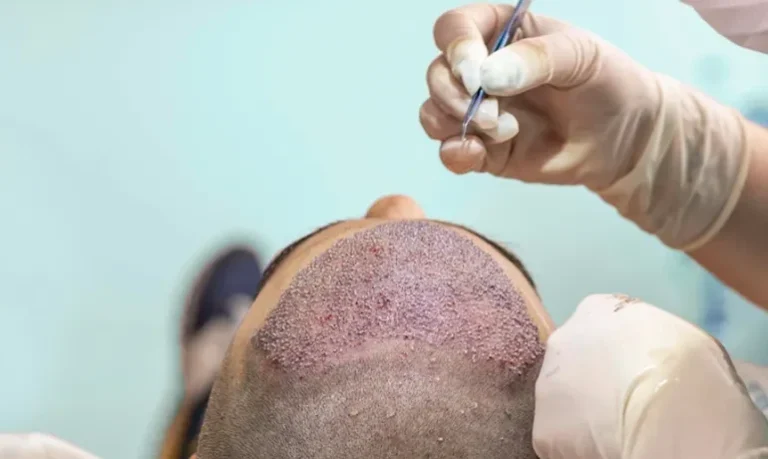
People rarely notice a good hair transplant. They notice a bad one, and usually it is the hairline that gives it away: too low, too straight, too dense at the very front, or with tufts of hair pointing in the wrong direction. Hairline design is the most artistic part of the procedure and the one you will live with for decades, so it is worth understanding how it should be done.
Height: designing for your 50-year-old self
A juvenile hairline sits low on the forehead. As most men age, the hairline moves up and the temples recede slightly even without balding. A transplanted hairline that copies a teenager’s can look odd at 45, and if hair loss continues behind it, you can end up with an isolated strip of hair. Experienced surgeons usually place the hairline a little higher than patients first ask for, especially in younger patients, and leave donor hair in reserve. A common guide is to start the front of the hairline roughly 7–10 cm above the eyebrows, adjusted to face shape.
Shape: soft, irregular and with temple points
- Irregularity: natural hairlines are not straight lines. They have small peaks and gaps, which surgeons recreate with a slightly zig-zag “transition zone”.
- Temporal recession: most adult men have some recession at the temples. Filling the corners completely can look unnatural.
- Temple points: the small triangles of hair in front of the ears frame the face; restoring them is an advanced option in some cases.
Graft selection and density
The front row of a natural hairline is made of fine single hairs, with two- and three-hair grafts placed further back to build density. Using multi-hair grafts at the very front creates the “pluggy” look of older transplants. Ask the clinic how they sort grafts and where single hairs are placed.
Angle and direction
Hair at the front grows forward and at a low angle to the scalp, often only 15–20 degrees, changing gradually towards the sides and crown. Grafts placed upright or in the wrong direction stick out and are hard to style. This is why who makes the incisions matters so much.
Common mistakes
- A hairline that is too low or too straight
- Square, filled-in temples on an adult face
- Multi-hair grafts at the front edge
- Wrong angles that make hair stand up
- Using too many grafts at the front and leaving nothing for later loss
If you already have a hairline you are unhappy with, see repairing a failed hair transplant.
Women’s hairlines
Female hairlines are usually rounder, with less temporal recession, and many women want to lower a high forehead or add density along a part line. Planning is different; see female hair transplant.
Questions to ask
- Who will design my hairline, and can I see it drawn before surgery?
- How did you decide the height, and how will it look if I keep losing hair?
- Where will single-hair grafts be placed?
- Who will make the incisions at the hairline?
- Can I see close-up photos of hairlines you have done, 12 months after surgery?
More on choosing a team in how to choose a hair transplant surgeon and our list of doctor-led clinics in Istanbul.
Frequently asked questions
Can I choose my own hairline?
You should discuss it, but a good surgeon will explain why some designs are risky long term.
Can a hairline be lowered later?
Yes, usually more easily than a too-low hairline can be raised.
Is DHI better for hairlines?
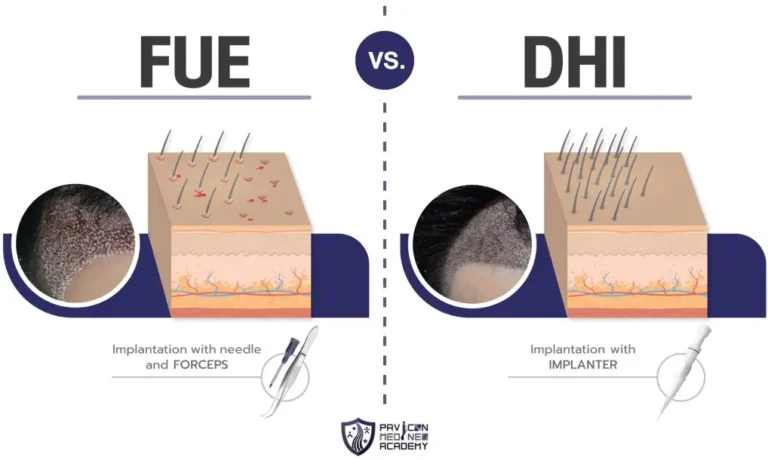
DHI is often used at the hairline, but the design and angles matter more than the tool. See FUE vs DHI.
This article is general information, not medical advice. See our medical disclaimer.